Frame & Structural Collision Repair in College Park, MD
An impact can affect parts of the vehicle you cannot see from the curb. Our collision repair team can assess the damage and explain how structural work fits into the plan.
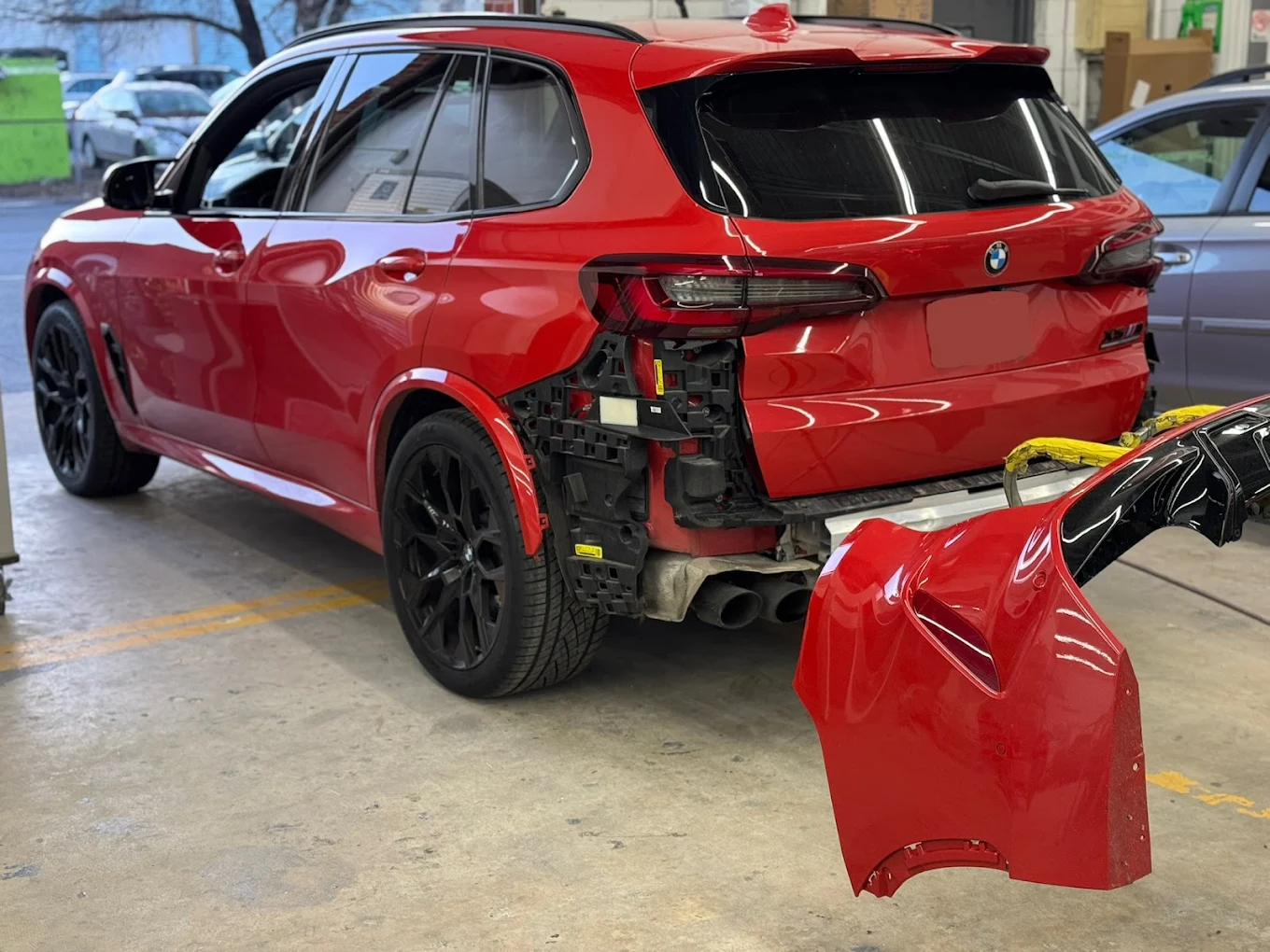
What structural damage can look like
On a unibody vehicle, the body and supporting structure are built together. A body-on-frame vehicle uses a separate frame to support the body. In either design, a collision can affect underlying parts and mounting points beyond the dent you can see. Uneven panel gaps, a door that no longer closes properly, or a change in steering can help tell the estimator where to look.
Those signs can also have other causes. If the vehicle pulls, a tire rubs, or a panel is loose after an impact, ask about safe transport before driving it to the shop. Photographs can document the impact area, while an inspection helps determine whether the structure needs further assessment.
Planning the repair around the vehicle
Accessing the damaged area may require removing outer parts. Measurements can then be compared with manufacturer reference points. Vehicle-specific procedures and the condition of each part inform whether a structural component can be repaired or must be replaced. What applies to one vehicle or material may differ on another.
The plan also identifies checks after the work, such as measuring the repaired area or reviewing adjacent systems. When the manufacturer requires driver-assistance calibration, a third-party technician who specializes in manufacturer-specific ADAS calibration performs it on-site at our College Park shop. Ask which steps apply to your vehicle and how they are documented.
Estimates and additional findings
An insurer’s first estimate may be written before the affected area is fully accessible. If an inspection reveals structural damage or additional procedures, a supplement explains the added work for review. Bring any claim paperwork or photos you already have so the estimator can start with the available information.
What to ask about the structural work
Ask which points were inspected, which components are affected, and how the repair plan addresses each one. Some repairs call for replacing a part at manufacturer-designated attachment points. Others may allow a repair if inspection and measurements support it. The estimator can explain how the proposed work relates to the damage and which findings still require review.
At pickup, ask about any vehicle-specific checks listed on your repair plan. These can differ even between two vehicles that look similar from the outside. If the work involved separate alignment, scanning, or calibration steps, ask what paperwork is available and have the shop walk you through it. Keep the repair records together for future reference.
Common questions
Can you tell from photos if the frame is damaged?
Photos help locate the impact. Confirming structural damage may require an in-person inspection, access behind damaged panels, and measurements.
What determines whether a part can be straightened?
The material, condition, location, and manufacturer procedures for that exact component guide the decision.
Can structural work affect the repair timeline?
Yes. Access, parts, the selected repair procedure, and follow-up checks can all affect the timeline. Ask for an update after inspection.
Get your estimate started
Send photos of the damage or an estimate you already have. You can also call our College Park shop to talk through the next step.